
Restoration or Ruin? 5 Things You Must Know Before Hiring a Stonemason in Bristol & Bath
- Lex

- Jan 24
- 3 min read
Owning a Georgian townhouse in Bath or a Victorian terrace in Bristol means you’re not just maintaining a home—you’re preserving a piece of history. When your garden wall crumbles, your facade needs repointing, or your Bath stone facade looks tired and grimy, finding the right stonemason can feel overwhelming. Before you accept the first quote, there are five crucial things you need to understand to avoid costly mistakes and ensure your property’s heritage is respected.

Close-up of Bath Stone ashlar blocks being restored with precision in a Georgian townhouse in Bath
1. The Bath Stone Mistake: Using the Right Material Matters
Bath Stone is a unique oolitic limestone prized for its warm, honey-coloured glow. It’s the signature material of many historic buildings in Bath and Bristol. Unfortunately, many general builders don’t appreciate its delicate nature. They often patch Bath Stone with sand and cement mortar, which causes serious damage.
Cement is non-porous and traps moisture inside the stone. When frost hits, the trapped moisture expands and causes spalling, where the stone surface literally flakes or explodes off. This leads to expensive repairs and loss of original stone.
A specialist stonemason will always use a lime-based mortar. Lime mortar allows the stone to breathe, releasing moisture safely and preserving the stone’s integrity. This choice of material is essential for long-term restoration and maintaining the building’s historic character.
2. Understanding the Cost: What You’re Really Paying For
Stonemasonry costs more than standard bricklaying, and there’s a good reason. In 2024 and 2025, stone restoration in Bristol and Bath typically costs between £80 and £250 per square metre. This range depends on the complexity of the work and the condition of the stone.
When you pay for stonemasonry, you’re not just paying for labour. You’re paying for:
Specialist access: Many historic buildings require scaffolding, especially in Bath’s tall crescents or Bristol’s terraces.
Heritage skills: Hand-carving stone to match original profiles takes years of training and experience.
Materials: Authentic stone must be sourced from local quarries like Limpley Stoke or Stoke Ground to match the original fabric.
Choosing a cheaper, inexperienced contractor may save money upfront but risks damaging your property and increasing costs later.
3. The Danger of Power Washing Stone
Cleaning stone walls is a common concern. If a contractor suggests using a high-pressure power washer, stop them immediately. Power washing strips away the “quarry sap,” a natural protective layer on the stone surface. Removing this layer exposes the stone to pollution, weathering, and accelerated decay.
Instead, a specialist stonemason will use gentle cleaning methods such as low-pressure water sprays, soft brushes, or chemical poultices designed specifically for Bath Stone. These methods clean without damaging the stone’s surface or its protective qualities.
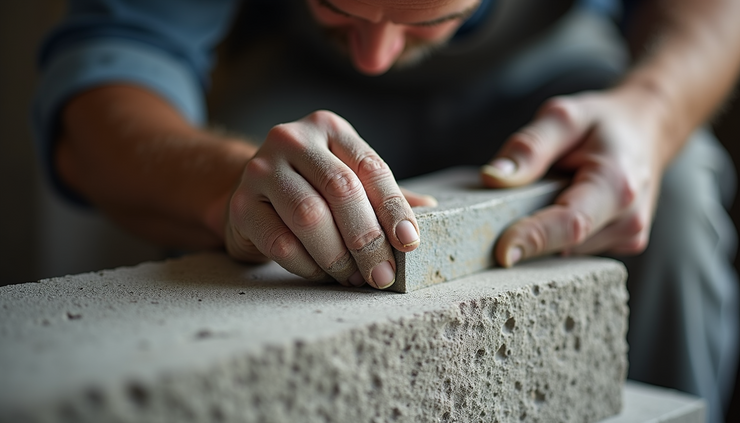
Stonemason hand-carving Bath Stone to match the original architectural details on a Victorian terrace in Bristol
4. Check Credentials and Experience
Not every builder who works with stone is a qualified stonemason. Look for professionals who specialise in historic stonework and have experience with Bath Stone and local heritage buildings. Ask for:
Proof of training or certification in stonemasonry.
Examples of previous work in Bristol or Bath, ideally on similar properties.
References from local heritage organisations or satisfied homeowners.
A skilled stonemason understands the nuances of working with historic stone and will respect conservation guidelines. This expertise protects your property’s value and appearance.
5. Ask About the Long-Term Maintenance Plan
Stone restoration is not a one-time fix. After repairs or cleaning, your stonework will need ongoing care to stay in good condition. Ask your stonemason about:
Recommended maintenance schedules.
Suitable cleaning methods for future upkeep.
How to spot early signs of damage or mortar failure.
A good stonemason will provide advice tailored to your property’s specific stone type and environment. This guidance helps you avoid costly repairs down the line.

Scaffolding erected around a Georgian townhouse in Bath to allow safe access for stone restoration
Preserving your historic home in Bristol or Bath requires more than just fixing what’s broken. It demands knowledge, skill, and respect for traditional materials like Bath Stone. By understanding the importance of using the right materials, recognising the true cost of quality work, avoiding damaging cleaning methods, verifying credentials, and planning for long-term care, you protect your investment and the heritage you cherish.
If you’re searching for a trusted stonemason in Bath or Bristol, look for specialists who understand the local stone and historic context. Your home deserves nothing less than expert care to ensure restoration, not ruin.


Comments